A cable may work perfectly when a machine is first installed. But after weeks or months of continuous movement, problems can begin to appear.
The cable may crack, twist, wear out, or even break internally. Sometimes, these failures cause unexpected machine stops, expensive maintenance, and production delays.
Why does this happen?
In many cases, the problem starts with choosing the wrong cable.
Unlike ordinary cables used in fixed installations, cables for moving machines must handle repeated bending, pulling, twisting, and other mechanical stresses. A cable that works well in a fixed application may not last long in a moving system.
So, before choosing a cable for your machine, here are five important questions worth asking.
1. How Will the Cable Move?
This is the first question to consider because different types of movement place different demands on a cable.
For example: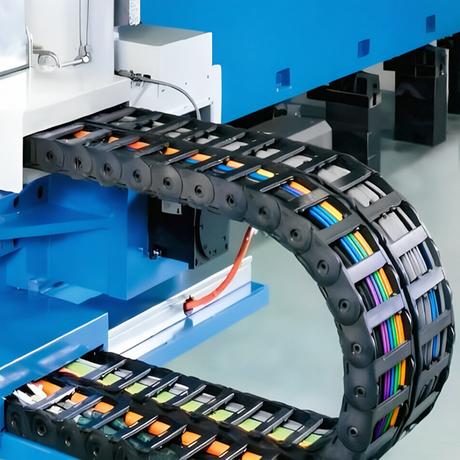
-
Continuous bending: Cables in drag chains repeatedly bend back and forth as machine parts move.
-
Torsional movement: Robot cables may twist repeatedly as robotic arms rotate.
-
Reeling movement: Cables used on cranes and mobile equipment are wound and unwound regularly.
-
Occasional movement: Some machine cables only move during installation, adjustment, or maintenance.
These movements are not the same, and neither are the cable requirements.
A standard flexible cable may be suitable for occasional movement, but it may not be designed for thousands or millions of bending cycles.
What should you check?
First, identify the cable's actual movement pattern. Is it bending, twisting, reeling, or moving in multiple directions?
Then choose a cable specifically designed for that application.
2. How Often Will the Cable Move?
Knowing how a cable moves is important. Knowing how frequently it moves is equally important.
A machine that operates for eight hours a day has different cable requirements from one that runs continuously, 24 hours a day.
Consider these examples:
-
A maintenance cable that moves occasionally.
-
A drag chain cable that moves every few seconds.
-
A robotic cable that twists repeatedly during every working cycle.
The more frequently a cable moves, the more attention you need to pay to its flexing performance and service life.
A cable designed for occasional movement may wear out much faster in a high-speed, continuous-motion application.
What should you check?
Ask the equipment manufacturer about:
These details help determine whether you need a standard flexible cable or a high-flex cable designed for continuous movement.
Remember: Flexible does not always mean suitable for continuous motion.
3. What Environment Will the Cable Work In?
Movement is only part of the challenge. The working environment can also affect cable performance.
Industrial cables often operate in conditions that are far from ideal.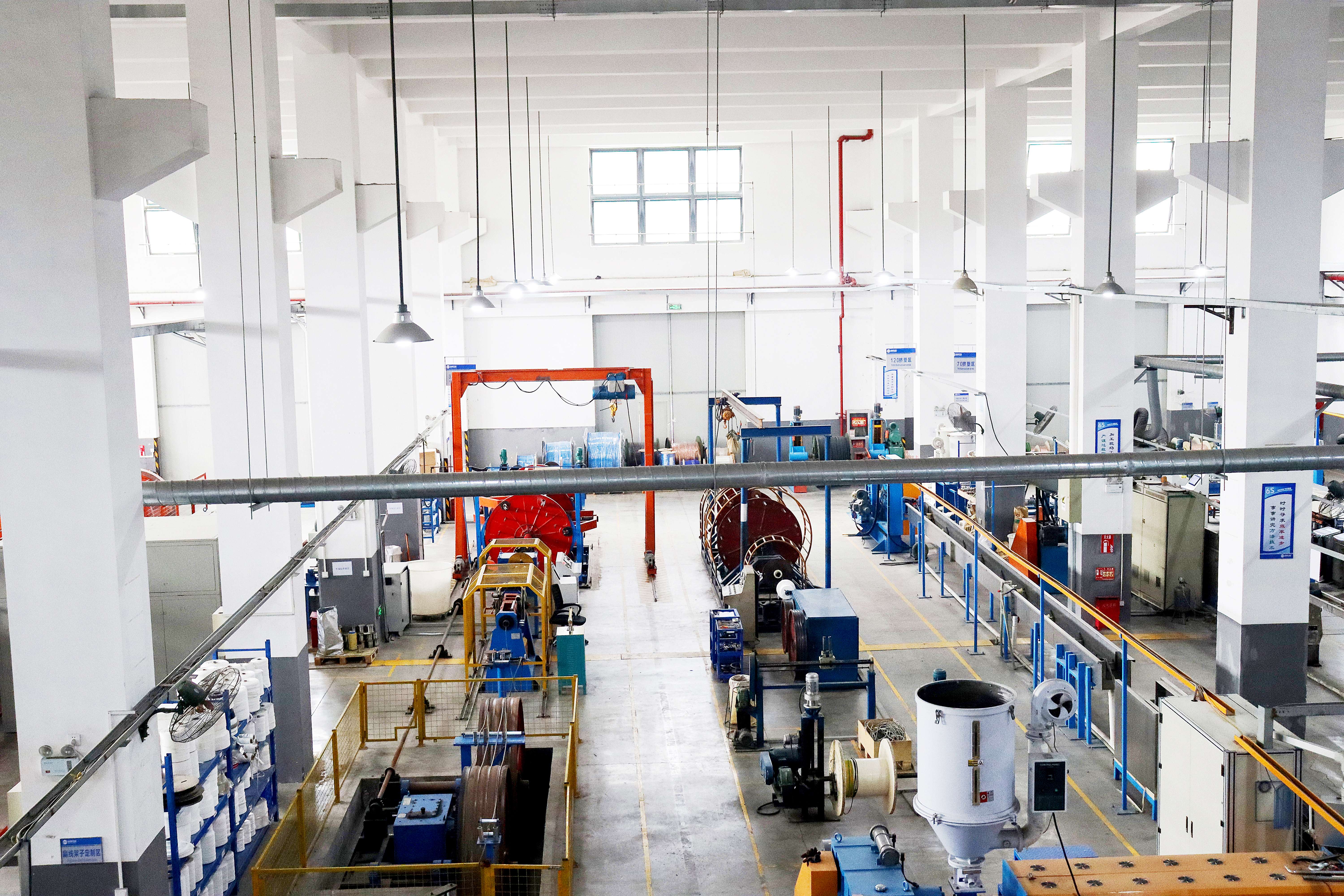
For example:
-
Oil and chemicals: Machine oils and certain chemicals may damage unsuitable cable jackets.
-
High or low temperatures: Extreme temperatures can make cable materials harder, softer, or less flexible.
-
Moisture and humidity: Water exposure may affect cables that are not designed for wet environments.
-
Dust and abrasion: Constant contact with machine parts or rough surfaces can wear down the outer sheath.
-
Outdoor exposure: Sunlight, UV radiation, and weather conditions may shorten cable life if the materials are unsuitable.
This is why cable jacket material matters.
PVC, PUR, TPE, and other materials have different properties. For example, PUR is often selected for applications requiring good abrasion resistance and mechanical durability, while other materials may be more suitable for specific temperature or chemical
conditions.
However, no single jacket material is perfect for every application.
What should you check?
Before purchasing, identify the actual environmental conditions, including temperature range, oil exposure, moisture, chemical contact, and mechanical wear.
Then confirm that the cable's insulation and outer sheath are suitable for those conditions.
4. What Electrical Performance Does Your Machine Require?
A cable is not just a mechanical component. It must also transmit power or signals reliably.
Choosing a cable with excellent flexibility but unsuitable electrical characteristics can still cause problems.
Here are some important points to consider: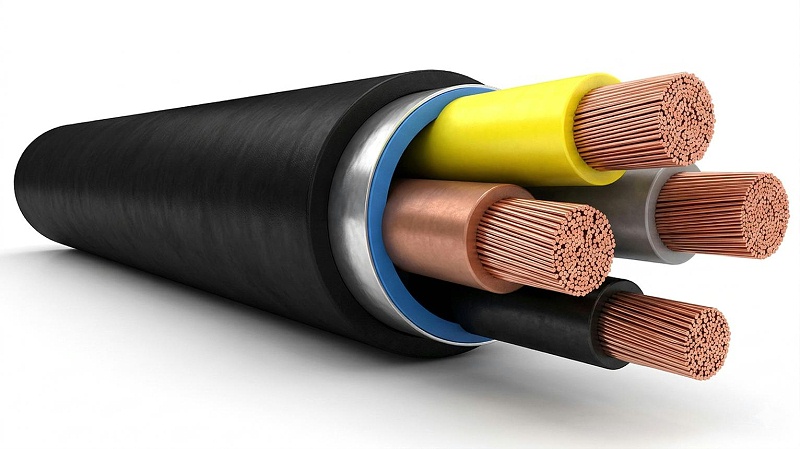
Rated Voltage
Make sure the cable's rated voltage matches the electrical requirements of your equipment.
Conductor Size
The conductor cross-sectional area should be selected according to the required current, installation conditions, and applicable electrical standards.
Shielding Requirements
Signal cables, encoder cables, and servo cables may require shielding to reduce electromagnetic interference (EMI).
This is particularly important when power and signal cables operate close to each other.
Signal and Power Transmission
Different applications require different cable structures. A power cable, control cable, encoder cable, and servo cable are not necessarily interchangeable.
What should you check?
Review the equipment's electrical specifications before selecting a cable. Pay attention to voltage, current, conductor size, shielding, and transmission requirements.
A suitable moving cable must meet both mechanical and electrical requirements.
5. Is the Cable Designed for Your Specific Application?
This is where many buyers make mistakes.
Two cables may look almost identical, have the same conductor size, and even use similar jacket materials. However, their internal structures and intended applications may be very different.
A cable designed for fixed installation is not automatically suitable for a drag chain.
Likewise, a drag chain cable is not necessarily suitable for the repeated twisting movements of a robot.
Here are some common application examples:
-
Drag chain systems: Require cables designed for repeated bending and continuous movement.
-
Industrial robots: Often need cables with excellent torsional resistance and flexibility.
-
Cranes and reel systems: Require cables suitable for winding, unwinding, and the mechanical stresses involved.
-
Automated production lines: May require a combination of flexible power, control, and signal cables.
In some cases, standard products may not fully meet the equipment requirements.
A customized cable may be worth considering when the application involves special dimensions, conductor arrangements, shielding, jacket materials, or movement conditions.
What should you check?
Do not select a cable based on its appearance or price alone.
Ask the supplier whether the cable is specifically designed for your application. Request technical specifications and, when available, bending or torsion test information.
The right cable should match the actual working conditions of your machine.
A Simple Checklist Before Buying a Moving Cable
Before sending an inquiry or placing an order, make sure you can answer these questions:
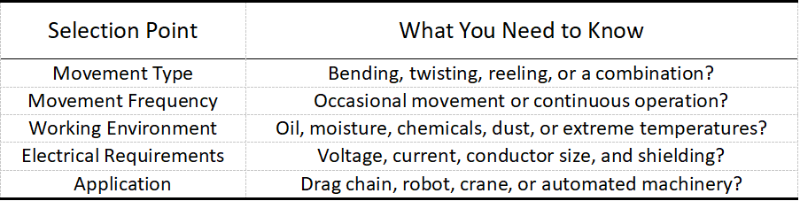
The more information you provide, the easier it is for a cable supplier to recommend a suitable product.
Looking for reliable industrial cable solutions?
AEIN Cable has over 14 years of experience in manufacturing:
• UL CMP Plenum Cable
• Servo Cable
• Drag Chain Cable
• Robot Cable
• Continuous Flex Cable
Visit http://www.aein-wirecable.com to explore our products and technical resources.