
100+ rich categories with a wide range of certifications
hot keywords:

Alternative TKD 3D Measure & System cable UL/CSA Cable

Alternative TKD 3D Measure & System cable UL/CSA Cable

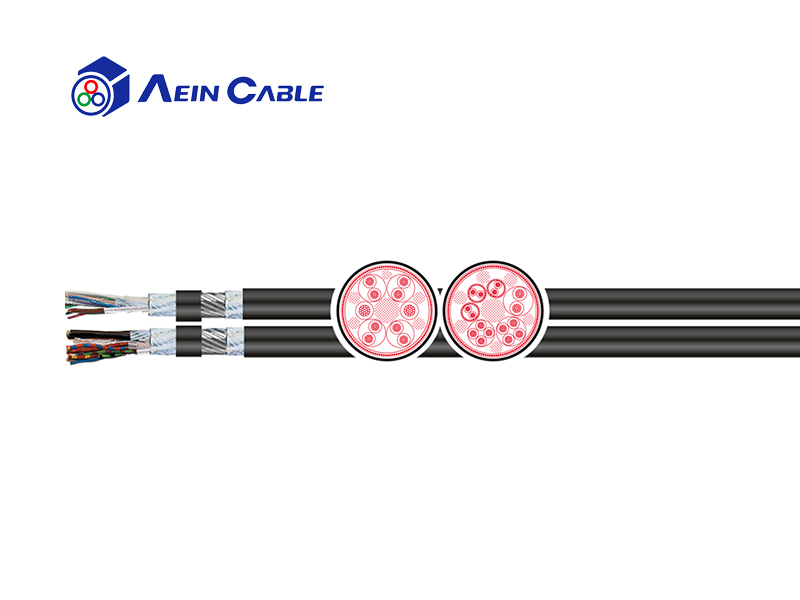
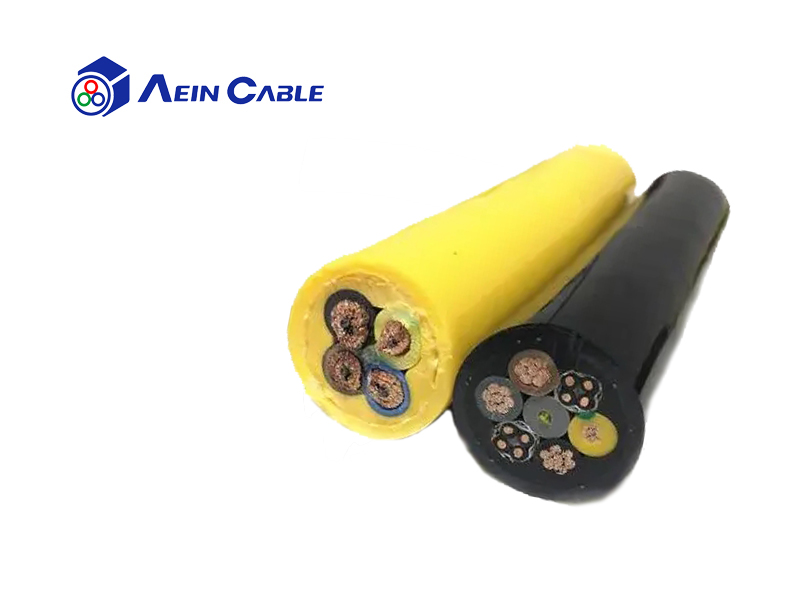
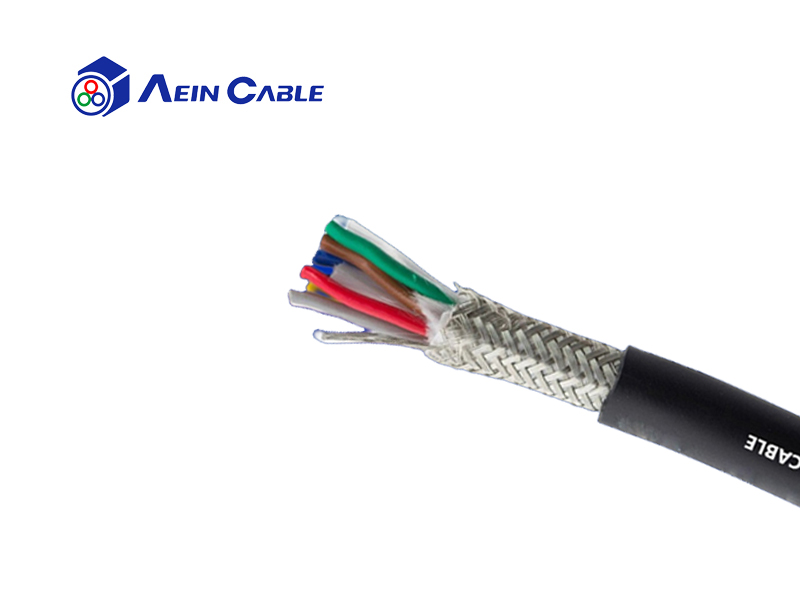
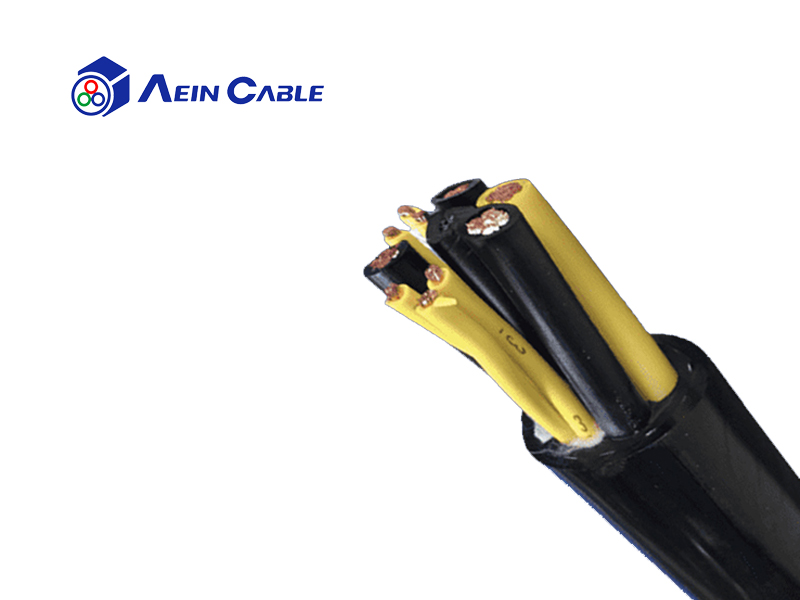
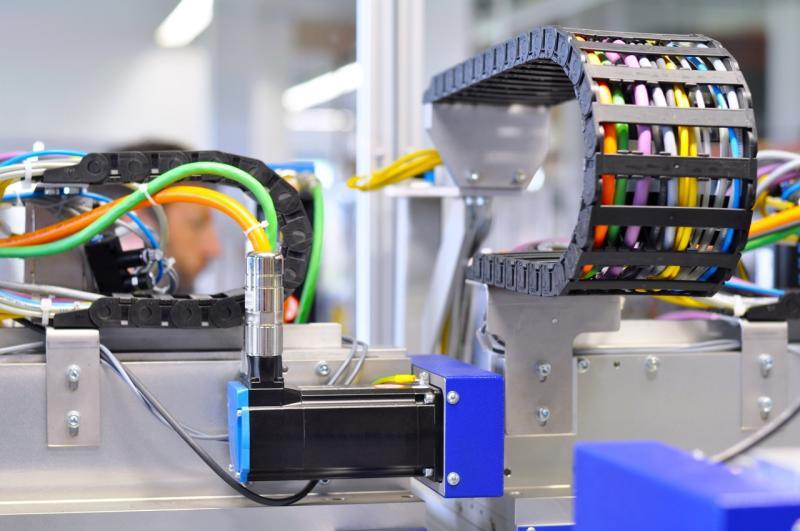
Robitic Measuring & System cable (MeSys) for complex, highly flexible motion sequences in industrial applications (e.g. power chains, gantry robots, pick and place units, conveyor systems, machine tools, automatic. Manufacturing systems etc.).

inquiry
  • Product details
Product introduction
  • 01 Product application Robitic Measuring & System cable (MeSys) for complex, highly flexible motion sequences in industrial applications (e.g. power chains, gantry robots, pick and place units, conveyor systems, machine tools, automatic. Manufacturing systems etc.).
  • 02 Product characteristicslow adhesion resistant to hydrolisis, microbes, cooling fluids, grease and lubricantsresistant to oil acc. to IEC 60811-2-1 UV-resistant halogen-free acc. to IEC 60754-1
    EMC compliant shielding (C-PUR)due to UL/CSA approval up to 300 V parallel laying with other cables with identical current voltage is permitted
  • 03 Technical certification

    conform to RoHS conform to 2014/35/EU-Guideline ("Low-Voltage Directive") CE

     •We are pleased to produce special versions, other dimensions, core and jacket colours on request.

Product structure
Conductor material: Bare copper strand, 0,38 mm²: tinned
Conductor class: Super fine wire acc. to IEC 60228 cl. 6 pt. 4
Core insulation: TPE
Core identification: Acc. to system specification (on request)
Stranding: Cores twisted to pairs or in layers, each element with sliding tape
Shield: C-elements: extremely torsion resistant spiral shield of tinned copper wires under sliding tape                                     
Overall stranding: Elements stranded together
Shield3: Extremely torsion resistant spiral shield of tinned copper wires over sliding tape
Outer sheath: PUR
Sheath colour: Black (RAL 9005) or green (RAL 6018)
Rated voltage: 300 V
Testing voltage: Min. 2 kV
Current-carrying-capacity: Acc. to DIN VDE
Min. bending radius fixed: 4 x d
Min. bending radius moved: 7,5 x d < 10 m VW | 10 x d ≥ 10 m VW | Torsion: 10 x d
Operat. temp. fixed min/max: -50 °C / +80 °C
Operat. temp. moved min/max: -30 °C / +80 °C, Torsion: -25 °C / +80 °C
Burning behavior: Flame-retardant acc. to IEC 60332-1-2, VW-1, FT1
Torsion: +/- 180 °/m
Approvals: UL/CSA: cURus - 300V, 80°C
Speed: Self-supporting: max. 10 m/s, gliding: max. 5 m/s | Torsion: max.180 °/s


Recommended news

  • What Is a Servo Cable? A Beginner's Guide

    What Is a Servo Cable? A Beginner's Guide

    Everything You Need to Know Before Choosing the Right Servo Motor Cable If you're new to industrial automation, CNC machinery, or robotics, you've probably come across the term servo cable. But what exactly is a servo cable, and why is it so important? Many people assume that any industrial cable can connect a servo motor. In reality, using the wrong cable can lead to signal interference, equipment downtime, poor motion accuracy, and even premature cable failure. In this beginner-friendly guide, we'll explain what a servo cable is, how it works, the different types available, and what you should consider before purchasing one. Whether you're an equipment manufacturer, system integrator, distributor, or engineer, this guide will help you make a smarter choice.

  • What are the dangers of substandard wire and cable?
  • What are the characteristics of the drag chain cable? What matters should be paid attention to ?

Contact us