

100+ rich categories with a wide range of certifications
hot keywords:

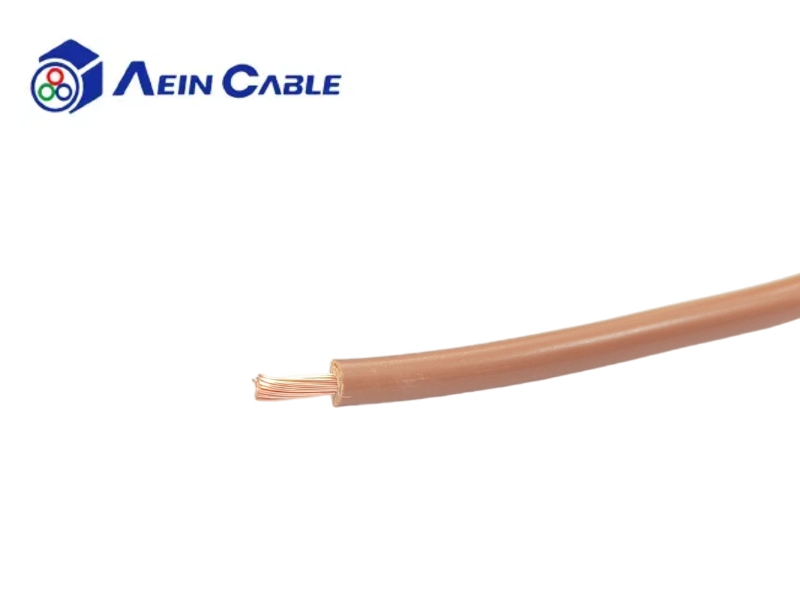
UL 83 THHN/THWN-2 Thermoplastic Insulated Wires & Cables

UL 83 THHN/THWN-2 Thermoplastic Insulated Wires & Cables

Intended for use in conduit and cable trays for services, feeders and branch circuits for use in residential, commercial and industrial applications in accordance with the National Electrical Code (NEC). Type THHN/THWN-2 conductors are approved for use at a maximum voltage of 600 volts and a maximum conductor temperature of 90 °C in wet or dry locations and 60 °C when exposed to gasoline and oil. Use of lubrication for installations in raceways is not mandatory

inquiry
  • Product details
Product introduction
  • 01 Product application


    Intended for use in conduit and cable trays for services, feeders and branch circuits for use in residential, commercial and industrial applications in accordance with the National Electrical Code (NEC). Type THHN/THWN-2 conductors are approved for use at a maximum voltage of 600 volts and a maximum conductor temperature of 90 °C in wet or dry locations and 60 °C when exposed to gasoline and oil. Use of lubrication for installations in raceways is not mandatory

  • 02 Product characteristics

    – 600 V THERMOPLASTIC INSULATED ALUMINUM THHN/THWN-2

    – Voltage Range : 600 V

    – Temperature Range : -40°C to 90°C

    – 8 AWG to 1000 MCM

  • 03 Technical certification UL 83 - ASTM B3
    Conform to RoHS
    We are pleased to produce special versions, other dimensions, core and jacket colours on request.
Product structure

Construction/Material

– Conductor : Annealed Bare Copper & Aluminium Alloy 8000 Series

– Insulation : PVC 90degC

– Jacket : Nylon-6


Recommended news

  • What Is a Servo Cable? A Beginner's Guide

    What Is a Servo Cable? A Beginner's Guide

    Everything You Need to Know Before Choosing the Right Servo Motor Cable If you're new to industrial automation, CNC machinery, or robotics, you've probably come across the term servo cable. But what exactly is a servo cable, and why is it so important? Many people assume that any industrial cable can connect a servo motor. In reality, using the wrong cable can lead to signal interference, equipment downtime, poor motion accuracy, and even premature cable failure. In this beginner-friendly guide, we'll explain what a servo cable is, how it works, the different types available, and what you should consider before purchasing one. Whether you're an equipment manufacturer, system integrator, distributor, or engineer, this guide will help you make a smarter choice.

  • What are the dangers of substandard wire and cable?
  • What are the characteristics of the drag chain cable? What matters should be paid attention to ?

Contact us