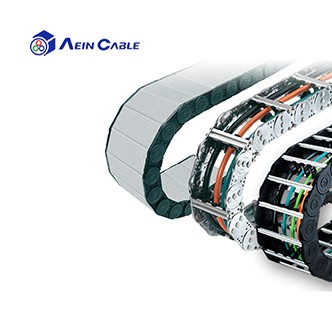
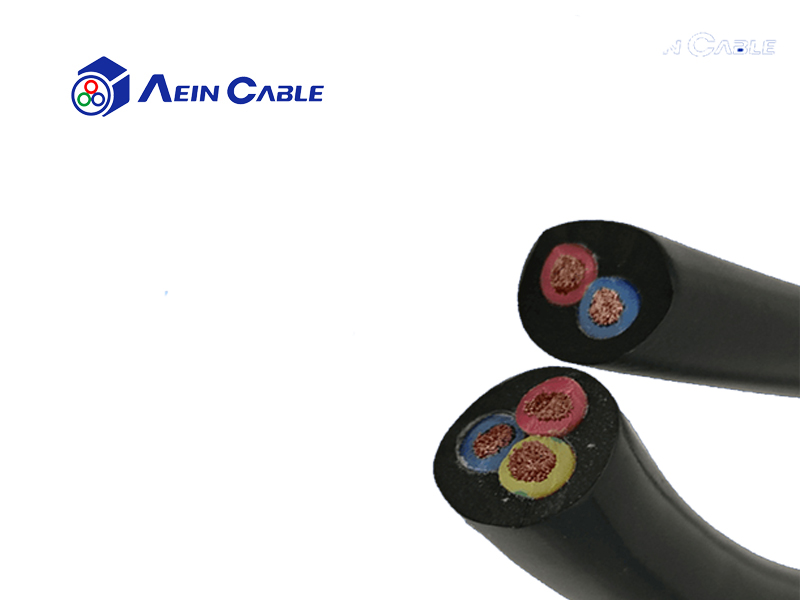
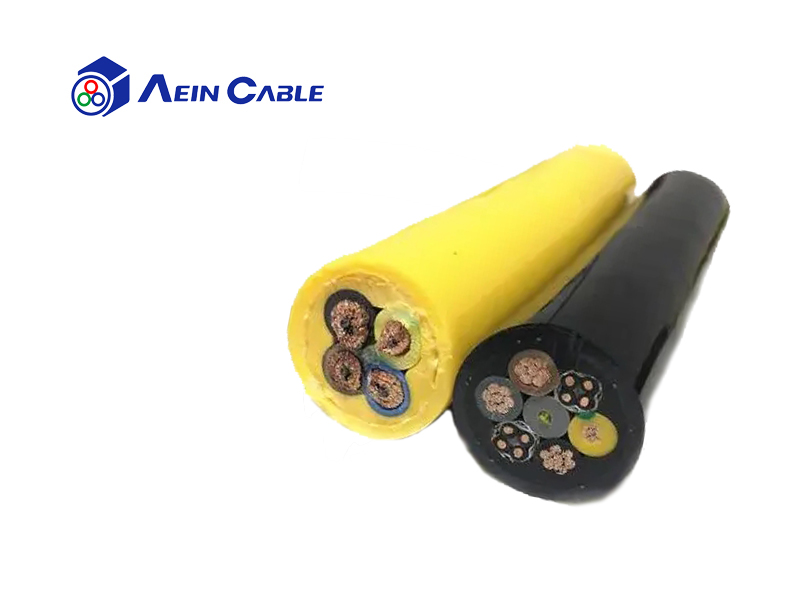
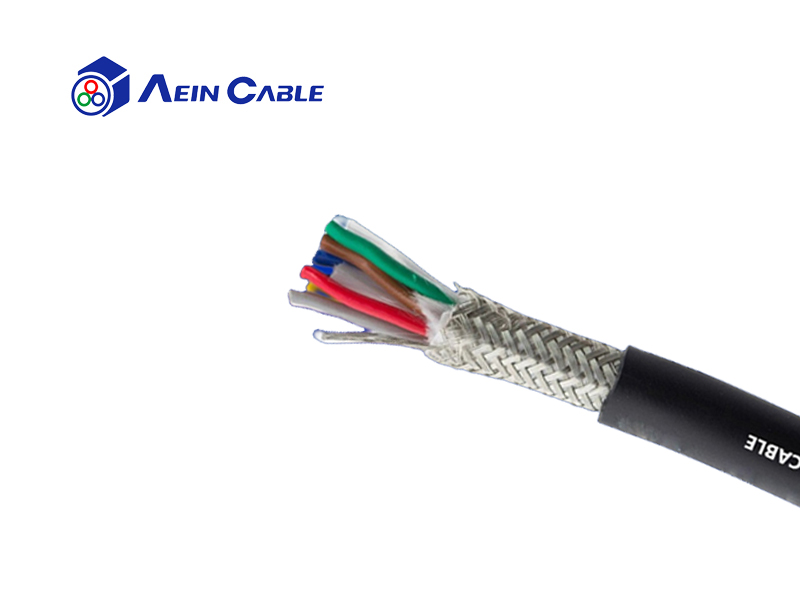
A drag chain cable, also known as a continuous flex cable, is specifically designed for applications involving constant bending and movement inside cable carrier systems.
Unlike ordinary industrial cables, drag chain cables must withstand repeated mechanical stress while maintaining stable electrical performance.
CNC machinery
Industrial robots
Servo systems
Packaging machines
Automated production lines
Material handling systems
Because these systems operate continuously, cable durability directly affects productivity and equipment lifespan.
Why Standard Cables Often Fail
One of the most common mistakes in industrial automation is using standard cables in dynamic applications.
Ordinary PVC cables are mainly designed for static installation. Under continuous flexing, they may experience:
Jacket cracking
Conductor breakage
Twisting damage
Signal interference
Shortened service life
For high-speed motion systems, choosing a true high-flex drag chain cable is essential.
1. Evaluate Flexibility Performance
Flexibility is one of the most important factors when selecting drag chain cable.
A high-quality drag chain cable should be capable of handling millions of bending cycles without losing performance.
Key features to look for include:
Fine-stranded conductors
Optimized cable structure
Small bending radius
Continuous flex capability
In modern automation systems, insufficient flexibility is one of the main causes of premature cable failure.
2. Choose The Right Jacket Material
Cable jacket material has a major impact on durability and environmental resistance.
PVC Cable
PVC cables are cost-effective and suitable for light-duty applications. However, they may become stiff or crack under continuous movement.
PUR Cable
PUR (Polyurethane) cables provide:(For demanding automation applications, AEIN’s high-flex PUR drag chain cables are designed to provide excellent flexibility, abrasion resistance, and long service life in continuous motion systems.)
Better flexibility
Superior abrasion resistance
Excellent oil resistance
Longer service life
Better performance in harsh industrial environments
For demanding drag chain applications, PUR drag chain cables are generally the preferred solution.
Many automation manufacturers now choose PUR cables for robotic systems and high-speed machinery because of their improved durability.
3. Consider Bending Radius
Every drag chain cable has a recommended minimum bending radius.
Ignoring this specification may result in conductor damage and early cable failure.
When selecting cable, always evaluate:
Travel distance
Flexing frequency
Motion speed
Installation space
Acceleration requirements
Proper drag chain design is just as important as cable quality itself.
4. Check Shielding Performance
Industrial environments often contain significant electromagnetic interference (EMI), especially in servo systems and automated machinery.
Shielded drag chain cables help maintain stable signal transmission and improve system reliability.
Common shielding options include:
Copper braid shielding
Foil shielding
Combined shielding structures
For servo motor systems and sensitive control equipment, high-quality shielding is highly recommended.
5. Evaluate Oil And Abrasion Resistance
Industrial cables are frequently exposed to:
Oil
Coolants
Mechanical friction
Chemicals
Dust and debris
This is why abrasion resistance and oil resistance are critical for long-term performance.
High-quality PUR drag chain cables typically perform much better than standard PVC cables in harsh industrial environments.
Choosing The Right Cable Supplier
In addition to cable specifications, selecting a reliable cable manufacturer is equally important.
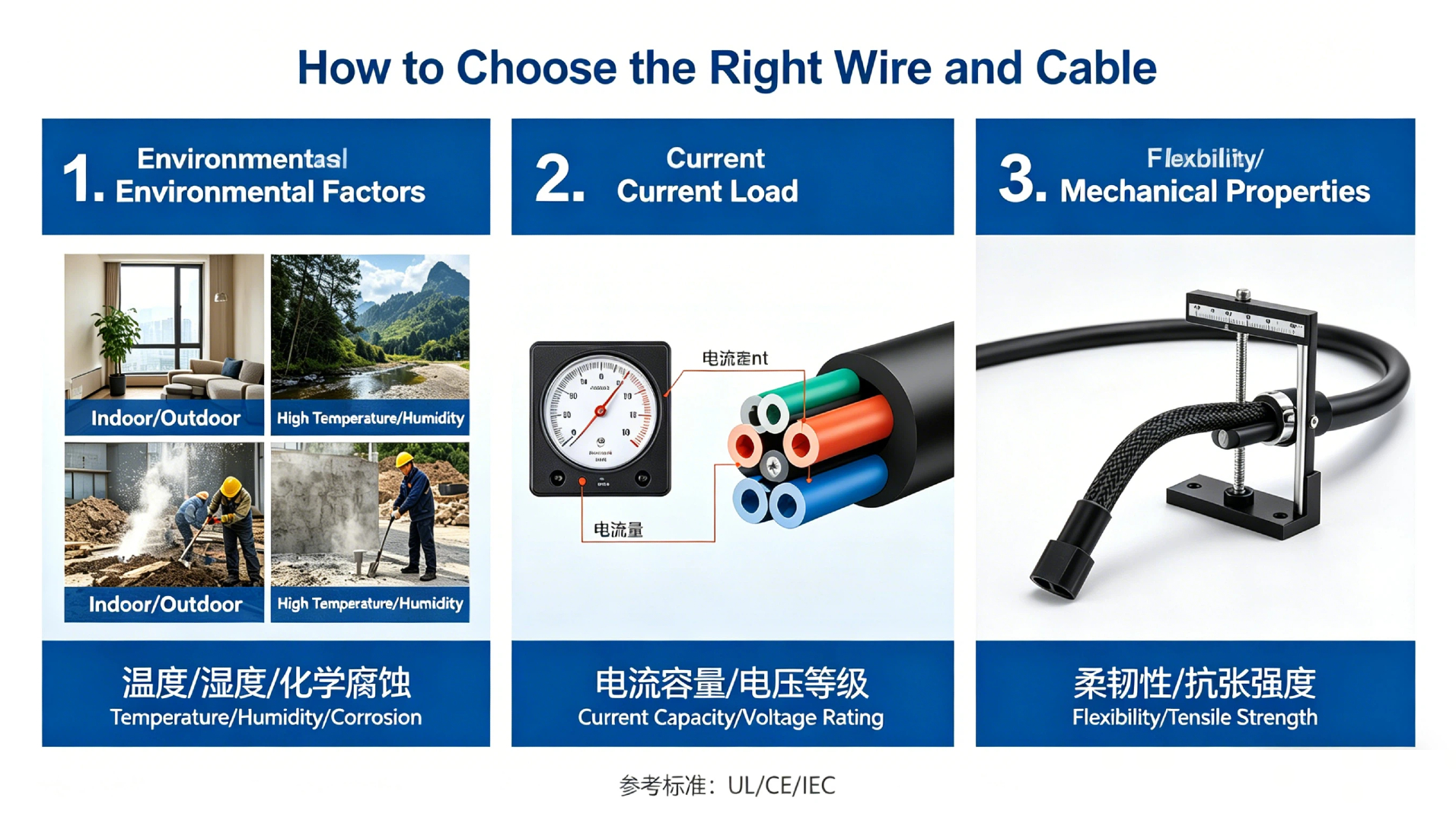
Professional manufacturers can provide:
Technical support
Application recommendations
OEM customization
Stable product quality
Long-term reliability
Companies such as AEIN specialize in industrial cable solutions for automation systems, robotics, servo applications, and continuous flex environments.
AEIN’s drag chain cable products are designed to deliver high flexibility, excellent
abrasion resistance, and stable performance in demanding industrial applications. Their flexible industrial cables are widely used in automation equipment where continuous movement and reliability are essential.
Working with an experienced manufacturer can help reduce maintenance costs and improve equipment efficiency over time.
Common Applications For Drag Chain Cable
High-flex drag chain cables are commonly used in:
CNC Machines
Continuous movement requires durable and flexible cable structures.
Robot Arms
Robotic systems often involve torsion and multi-axis movement.
Servo Systems
Stable signal transmission is critical for motion control accuracy.
Packaging Equipment
High-speed automation systems require reliable continuous flex cables to minimize downtime.
Common Mistakes When Choosing Drag Chain Cable
Choosing Based Only On Price
Low-cost cables may reduce initial expenses, but they often lead to more frequent replacement and higher long-term maintenance costs.
Using Standard Cable Instead Of Continuous Flex Cable
This is one of the most common causes of premature failure in automation systems.
Ignoring Installation Conditions
Cable performance is heavily influenced by:
Bending radius
Speed
Torsion
Environmental conditions
Installation quality
Conclusion
Choosing the right drag chain cable is essential for maintaining reliable industrial automation performance.
Instead of focusing only on price, manufacturers should carefully evaluate:
Flexibility
Jacket material
Shielding
Abrasion resistance
Oil resistance
Long-term durability
For demanding continuous flex applications, high-quality PUR drag chain cables are usually the best long-term solution.
As industrial automation systems continue to evolve, experienced manufacturers such as AEIN are helping companies improve reliability with advanced industrial cable products designed for modern motion applications.
To learn more about AEIN’s high-flex drag chain cable solutions for
automation systems, robotics, and CNC applications, visit our website for detailed technical specifications and product information.
FAQ
What Is The Difference Between Drag Chain Cable And Standard Cable?
Drag chain cables are specifically designed for continuous movement and repeated bending, while standard cables are mainly intended for static installations.
Is PUR Better Than PVC For Drag Chain Applications?
In most industrial automation systems, PUR offers better flexibility, abrasion resistance, and service life than PVC.
Why Do Drag Chain Cables Fail?
Common reasons include:
Incorrect bending radius
Poor cable quality
Excessive torsion
Improper installation
Using standard cable in dynamic applications
How Long Does A High-Flex Drag Chain Cable Last?
High-quality drag chain cables can withstand millions of bending cycles depending on operating conditions and installation quality.