In industrial automation systems, stable signal transmission is critical for motion control accuracy. However, one important factor is often underestimated during cable selection:---Shielding.
Many engineers focus heavily on motors, controllers, and software optimization, but the cable itself can directly affect servo system stability. Choosing the wrong cable may lead to signal interference, unstable motion control, communication errors, and
unexpected downtime.
In some cases, the problem is not the servo motor at all — it’s the cable.
So, when should you choose shielded cable, and when is unshielded cable acceptable?
The answer depends on the operating environment and system requirements.
What Is A Shielded Cable?
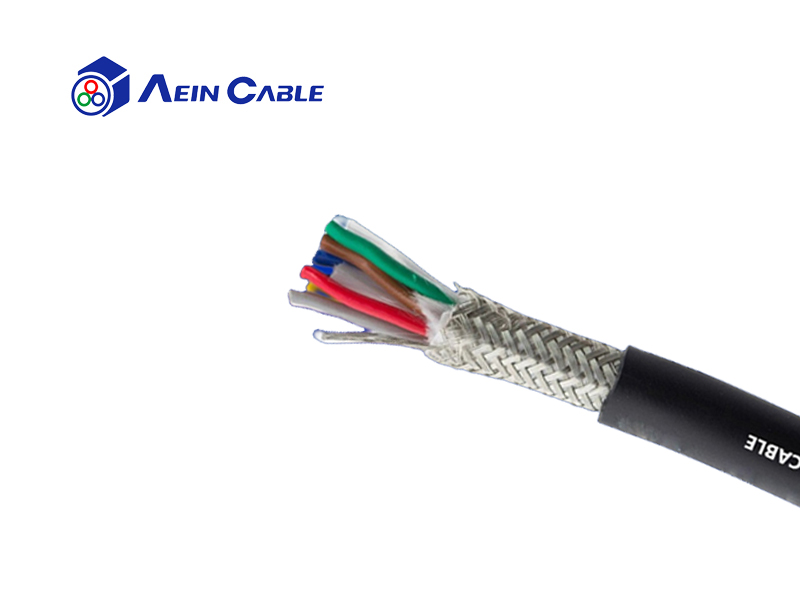
A shielded cable contains an additional conductive shielding layer, usually made from copper braid, aluminum foil, or a combination of both.
This shielding helps reduce electromagnetic interference (EMI) generated by nearby electrical equipment, motors, frequency converters, or power cables.
In industrial automation environments, electromagnetic noise is extremely common. Servo systems, variable frequency drives (VFDs), and high-speed machinery can generate interference that affects signal quality.
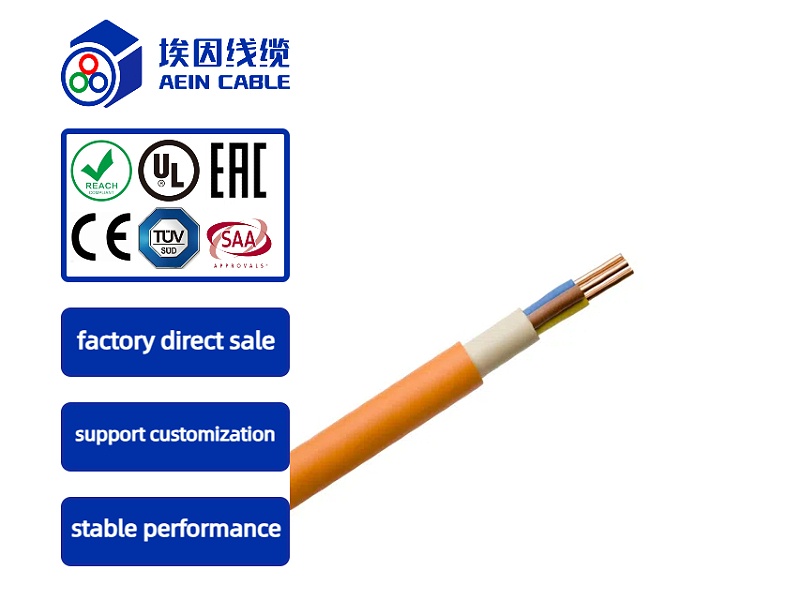
Without proper shielding, this interference may result in:
For high-performance automation systems, shielding is often essential.
What Is An Unshielded Cable?
Unshielded cables do not contain a dedicated shielding layer.
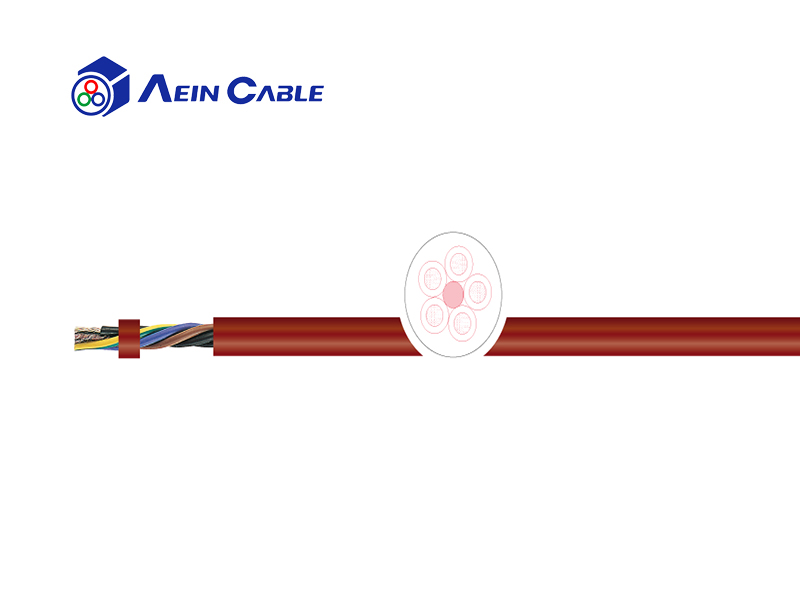
They are typically:
-
Lower cost
-
Lighter
-
Easier to install
In simple or low-interference environments, unshielded cables may operate without issues.
However, in modern industrial automation systems involving servo motors, robotics, and high-speed motion control, unshielded cables often struggle to maintain stable performance over time.
As production environments become more electrically complex, the risk of interference increases significantly.
Why Shielding Matters In Servo Systems
Servo systems require highly stable signal transmission.
Even minor interference can affect:
-
Motion accuracy
-
Positioning precision
-
Feedback stability
-
Encoder communication
This is especially important in:
In these applications, cable shielding is not simply an “optional feature.” It directly impacts machine reliability.
A poorly shielded cable may not fail immediately. Instead, the system may experience intermittent communication problems, unstable operation, or occasional alarms that become difficult to diagnose.
This is why cable selection should be considered during the early design stage — not after problems appear.
Shielded vs Unshielded: Which One Should You Choose?
Choose Shielded Cable If:
-
The system uses servo motors
-
There are nearby power cables or VFDs
-
The environment contains high electromagnetic interference
-
Stable signal transmission is critical
-
High-speed automation is involved
-
The application requires long cable runs
Unshielded Cable May Be Suitable If:
-
The environment is electrically simple
-
The cable is used for basic power transmission
-
Signal sensitivity is low
-
Interference risk is minimal
However, for most modern automation systems, shielded servo cables are generally the safer long-term solution.
Cable Structure Also Matters
Shielding alone is not enough.
In continuous motion applications, cable flexibility and structural design are equally important.
Servo cables used in drag chain systems must withstand:
-
Repeated bending
-
Constant movement
-
Torsion stress
-
High acceleration
Poor cable structure may eventually lead to:
-
Conductor breakage
-
Shield damage
-
Signal instability
-
Reduced service life
This is why high-flex servo cables are becoming increasingly important in industrial automation.
At AEIN, we understand that industrial cable performance directly affects automation reliability. Our industrial servo cable and drag chain cable solutions are designed for continuous motion applications requiring stable signal transmission, flexibility,
and long-term durability.
For demanding automation environments, selecting the right cable is not only about electrical performance — it is about protecting system stability and reducing operational risk.
The Hidden Cost Of Poor Cable Selection
One of the biggest mistakes in industrial automation is selecting cables based only on price.
A low-cost cable may initially reduce purchasing expenses, but the long-term consequences can be much more expensive.
Unexpected downtime, troubleshooting, maintenance labor, and production interruption often cost far more than the cable itself.
In many factories, cable-related issues are difficult to identify because the failure appears as unstable machine behavior rather than visible cable damage.
This is why reliable servo cable design matters.
Final Thoughts
As industrial automation systems continue to evolve, the demand for stable, high-performance cable solutions is increasing rapidly.
Shielded cables help protect servo systems from electromagnetic interference and improve long-term operational reliability. In high-speed automation environments, they are often essential for maintaining stable machine performance.
Because in modern manufacturing, reliable motion control starts with reliable connections.