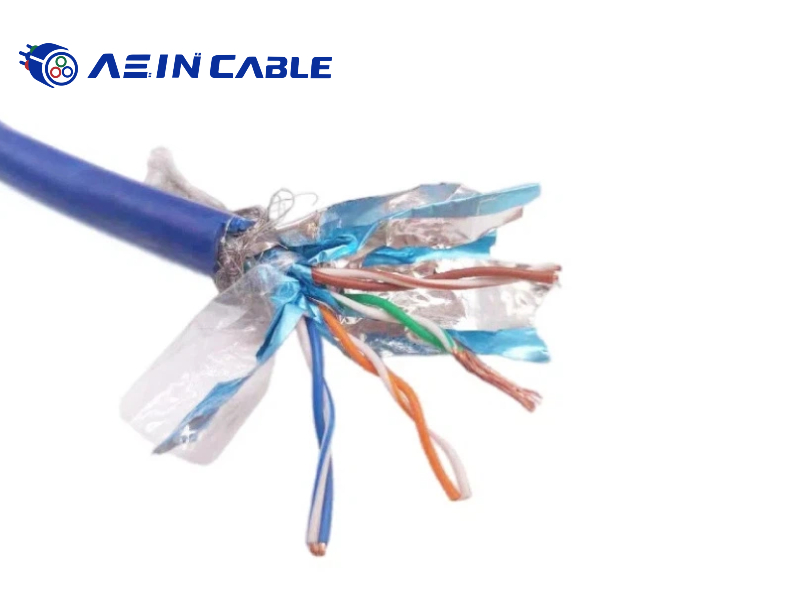
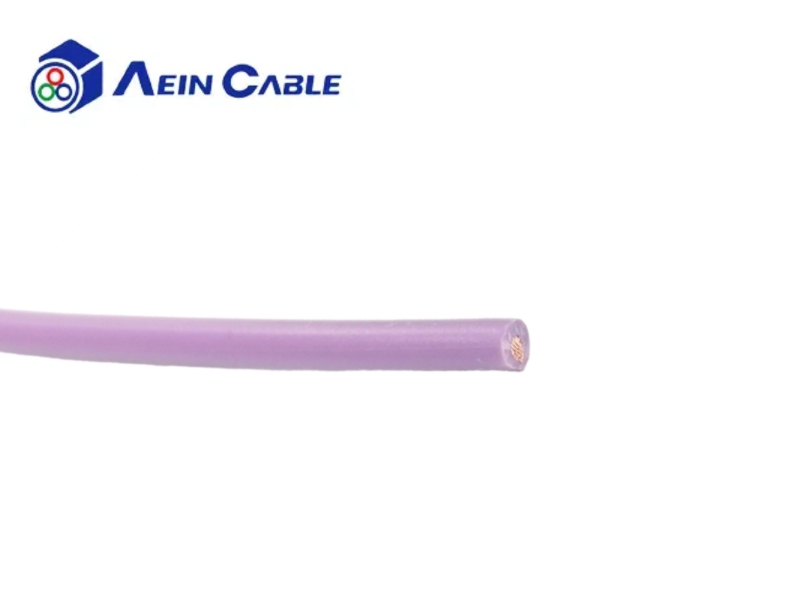
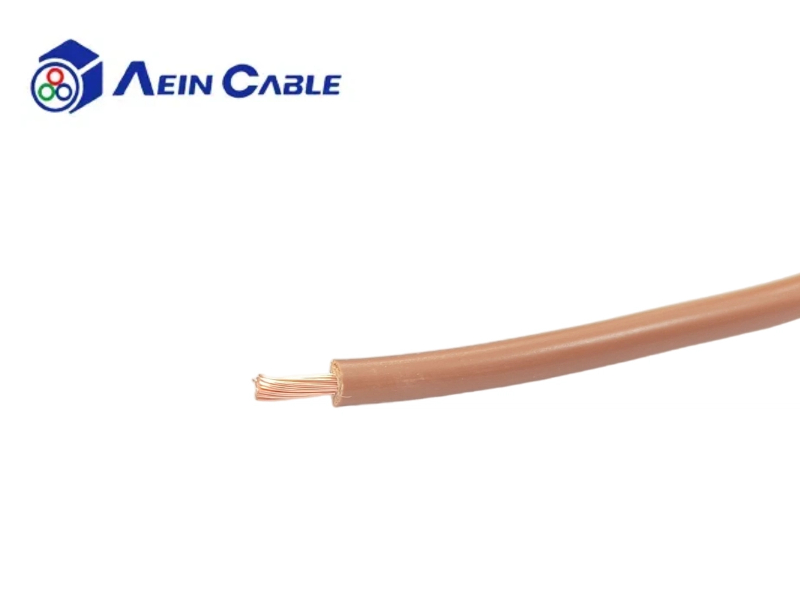
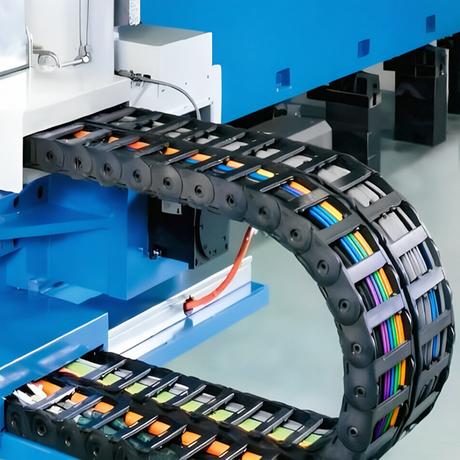
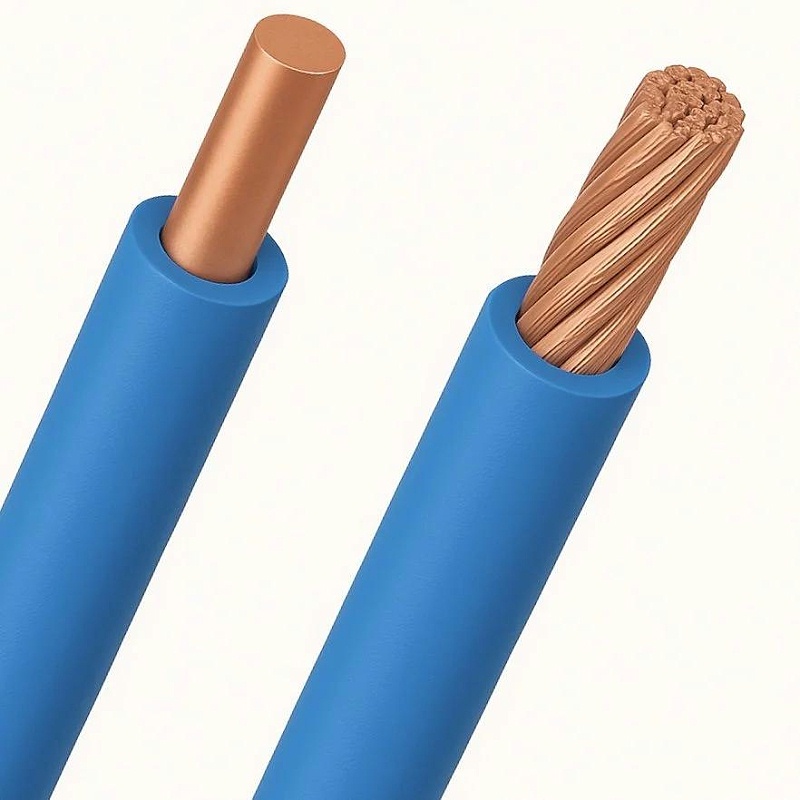
Flexibility alone doesn't guarantee long-term performance. Here's what engineers and cable buyers should look for when selecting cables for dynamic applications. In modern industrial automation, cables are no longer just components that connect electrical equipment. They are essential parts of moving systems. From automated production lines and CNC machines to robotic arms and drag chain systems, industrial cables are often required to bend, flex, twist, and move repeatedly throughout their service life. But here's an important question: How do you know whether an industrial cable is truly designed for continuous motion, rather than simply being flexible enough to bend during installation? At first glance, two cables may look almost identical. Both may have flexible jackets, stranded conductors, and similar electrical specifications. However, their performance under continuous movement can be completely different. A cable that performs well in a stationary installation may fail prematurely when exposed to repeated bending, acceleration, vibration, or torsional stress. Understanding what makes a cable suitable for continuous motion can help engineers, equipment manufacturers, and cable buyers avoid unnecessary downtime and replacement costs. Let's look at the key factors.